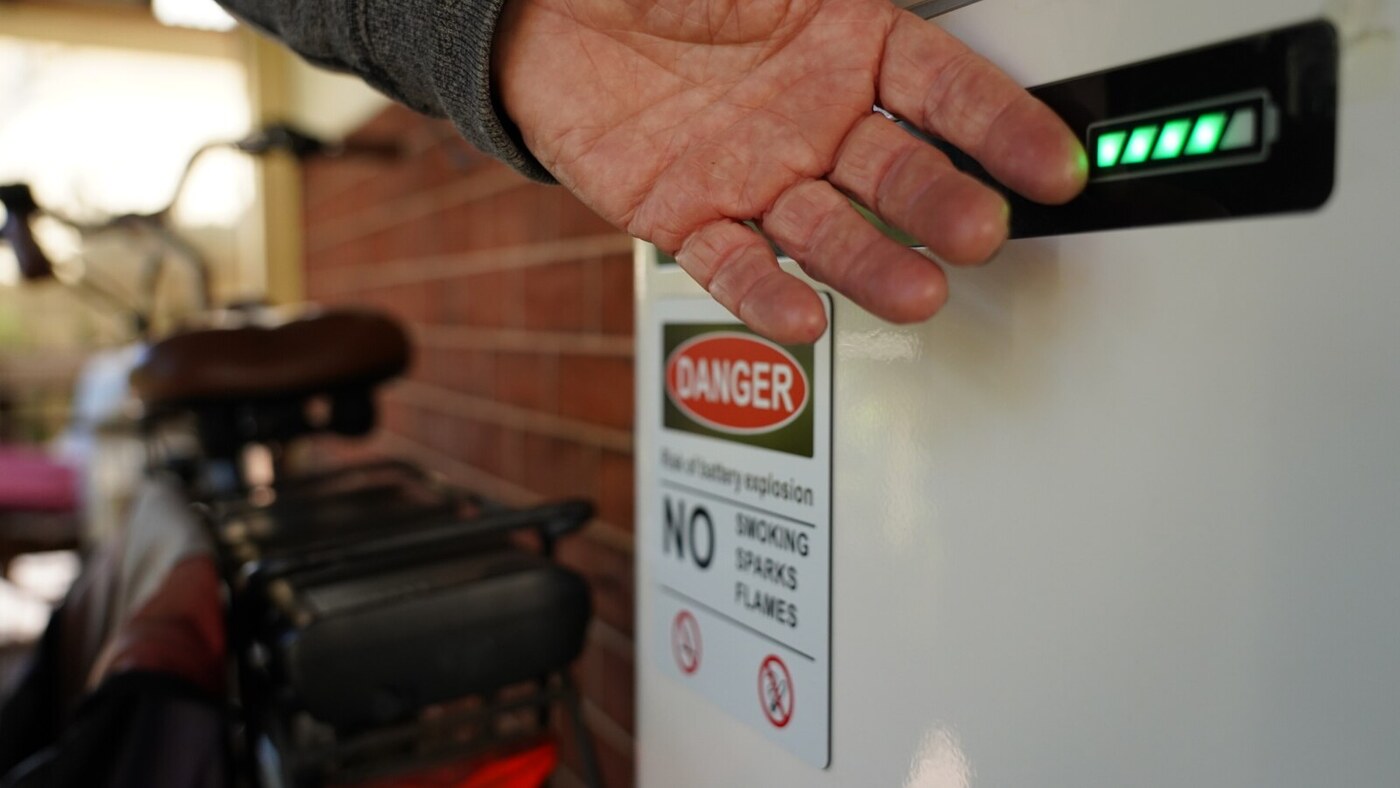
A headline doing the rounds this month says the projected cost of Australia's Cheaper Home Batteries rebate has "tripled" as officials search for savings, with Treasury reportedly drafting options to cut it back. The raw numbers behind that claim are real. Whether it describes something that just happened is another matter.
The jump is real. When the scheme launched in July 2025 as a Labor election promise, it was costed at $2.3 billion over four years. By December 2025, the government had expanded it to an estimated $7.2 billion through to 2030, adding support for a further 40GWh of home battery storage, on top of what was already on offer. That's roughly a tripling, so the arithmetic in this month's headlines checks out.
What's missing is the timing. That $7.2 billion figure isn't a number Treasury just discovered. It was the government's own announcement, made nearly a year ago, after the scheme proved far more popular than expected. Energy Minister Chris Bowen framed it at the time as deliberately widening access, not patching a blowout. Recycling that figure now under a "cost triples" headline makes a year-old policy decision look like breaking news about money spiralling out of control.
What is genuinely new this month is a fresh round of budget pressure. On 7 November, Environment Minister Murray Watt confirmed every portfolio, including his own, had been told to find savings for the government's mid-year budget update, while separately praising the battery scheme as "phenomenally successful." The Australian Financial Review has reported Treasury is drawing up options that include lowering the up-front subsidy further, and Prime Minister Anthony Albanese hasn't ruled out means-testing it. None of that is confirmed as policy yet. It also isn't the first trim: a tiered discount already kicked in on 1 May 2026, cutting the subsidy rate on the part of a battery system above 14kWh. The reason officials are back at this table is uptake, not mismanagement: Bowen says more than 600,000 systems have now been installed, and the Clean Energy Regulator says it's processing about 8,000 rebate applications a week, with installer capacity "just about full."
The bottom line: the $2.3 billion to $7.2 billion jump is real and does roughly triple the original costing, but it's not news from this month, it's a deliberate expansion the government announced in December 2025. What's actually new is that officials are now hunting for further savings as the scheme's popularity keeps outpacing its budget, which is a genuine story, just not the one the "cost triples" framing is telling.